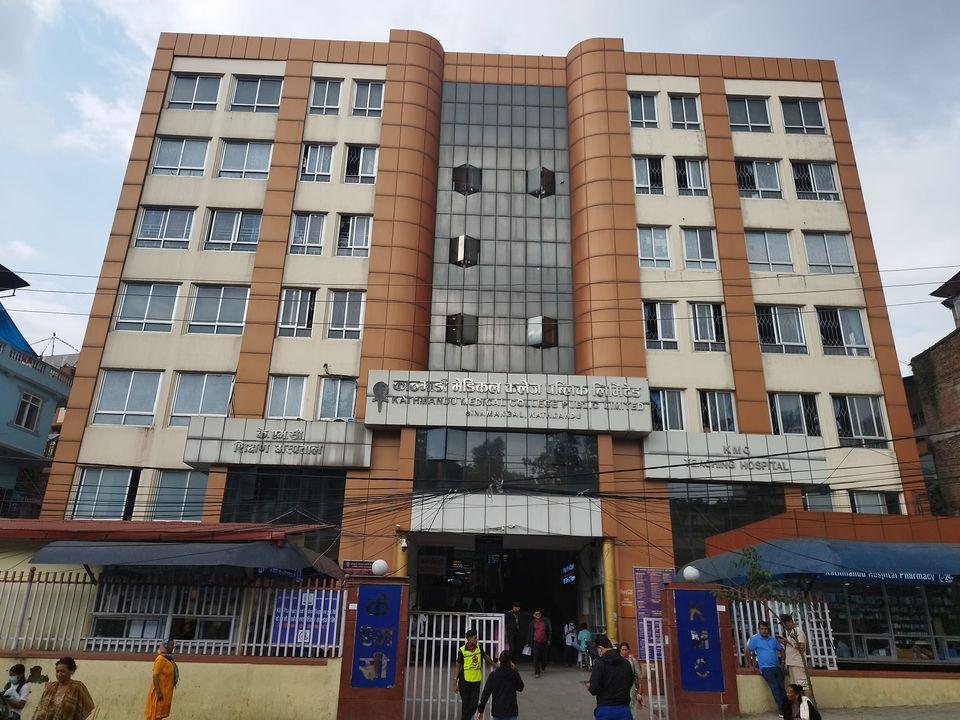
Kathmandu Medical College is a popular option for MBBS aspirants looking for structured medical education, clinical exposure, and guidance through Bablons Educational Consultants.
About Kathmandu Medical College
Kathmandu Medical College offers medical education with academic learning, practical training, and student support. Bablons helps students and parents understand eligibility, fee structure, documentation, admission steps, visa process where applicable, and pre-departure preparation.
Why Choose Kathmandu Medical College?
Established and reputed medical college in Nepal.
Affiliated with Kathmandu University.
Recognized by WHO and Nepal Medical Council.
NMC guidelines compliant MBBS program.
English-medium medical education.
Modern laboratories and simulation centers.
Excellent patient flow for clinical practice.
Highly qualified faculty members.
Safe and comfortable hostel facilities.
Close cultural and geographical connection with India.
Strong academic environment and research opportunities.
Affordable compared to many private medical colleges in India.
Academic Excellence
Kathmandu Medical College has consistently maintained high educational standards. The MBBS curriculum is designed according to international medical education standards and focuses on both theoretical and practical learning.
Students receive training in:
Anatomy
Physiology
Biochemistry
Pathology
Pharmacology
Microbiology
Community Medicine
General Medicine
General Surgery
Pediatrics
Obstetrics and Gynecology
Orthopedics
Psychiatry
Emergency Medicine
The curriculum emphasizes evidence-based medicine, patient-centered care, and practical clinical skills.
Teaching Hospitals and Clinical Exposure
One of the major strengths of Kathmandu Medical College is its extensive clinical training system. The college operates well-equipped teaching hospitals where students gain hands-on experience under expert supervision.
Clinical training includes:
Daily ward rounds.
Patient interaction sessions.
Clinical case discussions.
Surgical observation and assistance.
Diagnostic procedures.
Emergency and trauma care exposure.
Community healthcare programs.
Students begin clinical exposure early in their academic journey, helping them develop confidence and practical skills essential for modern medical practice.
Infrastructure and Campus Facilities
Kathmandu Medical College provides a modern learning environment equipped with advanced educational resources.
Campus facilities include:
Modern lecture halls.
Advanced medical laboratories.
Digital library and e-learning resources.
Anatomy dissection halls.
Research facilities.
Simulation and skill laboratories.
High-speed internet connectivity.
Sports and recreational facilities.
Student activity centers.
Cafeterias and dining facilities.
The campus is designed to support both academic excellence and student well-being.
Hostel and Accommodation
Kathmandu Medical College offers comfortable hostel facilities for domestic and international students.
Hostel features include:
Separate hostels for boys and girls.
24/7 security and surveillance.
Fully furnished rooms.
Internet and Wi-Fi facilities.
Laundry services.
Mess facilities serving nutritious meals.
Common study areas.
Recreational spaces.
Indian students generally find the hostel environment safe and comfortable.
Benefits for Indian Students
Indian students prefer Kathmandu Medical College due to several advantages:
No major language barrier.
English-medium MBBS education.
Cultural similarities with India.
Easy travel connectivity.
NMC-recognized qualification pathway.
High clinical exposure.
Affordable overall educational cost.
Safe and student-friendly environment.
Career Opportunities After MBBS
Graduates from Kathmandu Medical College have various career opportunities worldwide.
After completing MBBS, students can:
Appear for FMGE/NExT in India.
Pursue postgraduate medical education.
Practice in Nepal after licensing requirements.
Apply for USMLE for the USA.
Apply for PLAB for the United Kingdom.
Work in hospitals and healthcare institutions globally.
Enter medical research and public health sectors.
Student Life
Life at Kathmandu Medical College is vibrant and academically enriching. Students participate in:
Medical conferences.
Research projects.
Cultural festivals.
Sports competitions.
Health awareness campaigns.
Community service activities.
Medical workshops and seminars.
The multicultural environment helps students build strong professional and personal networks.
Eligibility
NEET qualification is required for Indian students who want to practise in India. Students should also meet the university admission criteria, passport/document rules, and country-specific requirements.
Documents Required
10th marksheet, 12th marksheet, NEET scorecard, passport, passport-size photographs, medical certificate, admission form, and other documents requested by the university.
Frequently Asked Questions
Yes, Kathmandu Medical College follows NMC guidelines and is recognized through approved medical education frameworks.
Yes, NEET qualification is mandatory for Indian students seeking MBBS admission abroad.
The MBBS program lasts approximately 5.5 years including internship training.
Yes, the complete MBBS program is taught in English.
Yes, separate hostel facilities are available for male and female students.
The annual fee generally ranges from ₹12 lakh to ₹15 lakh depending on the academic year and fee structure.
Yes, after completing MBBS and fulfilling NMC requirements including FMGE/NExT regulations.
Yes, the college is affiliated with Kathmandu University.
Scholarships may be available based on merit and university regulations.
Because of quality education, strong clinical exposure, English-medium teaching, cultural similarities, and proximity to India.
Why Apply Through Bablons?
Personal counselling for country and college selection.
Admission form, document and application support.
Visa and pre-departure guidance for abroad destinations.