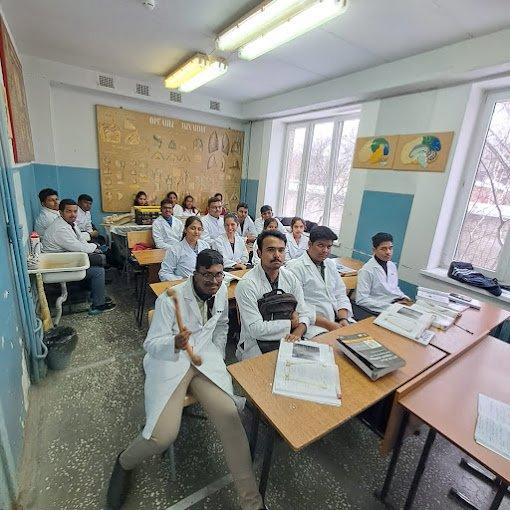
 Study Medicine Abroad
Study Medicine Abroad – Comprehensive Guide to International Medical Education
Published on 10 Jul 2026
Complete guide to studying medicine abroad with admission, fees, eligibility, universities, scholarships, and career opportunities.
Study Medicine Abroad – Complete Guide to International Medical Education
Studying medicine abroad has become one of the most popular choices among students who dream of becoming successful doctors. Every year, thousands of international students choose medical universities outside their home country because they offer affordable tuition fees, globally recognized degrees, modern infrastructure, advanced laboratories, experienced faculty members, and excellent career opportunities.
For many students, limited government medical seats and expensive private colleges make studying medicine abroad a practical and affordable alternative. Countries such as Russia, Kazakhstan, Uzbekistan, Georgia, Bangladesh, Nepal, China, and the Philippines provide quality medical education in English medium at comparatively lower costs.
International medical education also allows students to experience different healthcare systems, interact with people from various cultures, and develop globally accepted clinical skills.
This comprehensive guide explains everything students should know before applying to study medicine abroad.
Why Study Medicine Abroad?
- Affordable tuition fees compared to many private medical colleges.
- Globally recognized medical degrees.
- English-medium medical education in many universities.
- Modern laboratories and teaching hospitals.
- International exposure and multicultural environment.
- Excellent practical and clinical training.
- Simple admission process with minimal documentation.
- No donation or capitation fees in most universities.
- Opportunity to participate in international research.
- Better career opportunities worldwide.
Benefits of International Medical Education
International medical education offers much more than just earning a medical degree. Students receive education according to global medical standards while developing communication, teamwork, leadership, and patient-care skills.
Some major advantages include:
- World-class medical curriculum.
- Advanced hospital-based clinical exposure.
- Highly qualified professors.
- Internationally recognized qualifications.
- Affordable living expenses in many countries.
- Safe and student-friendly campuses.
- Access to modern research facilities.
- Global networking opportunities.
- Improved career prospects.
- Personal growth through international exposure.
Best Countries to Study Medicine Abroad
| Country |
Highlights |
| Russia |
Affordable education with globally recognized universities |
| Kazakhstan |
Low tuition fees and English-medium programs |
| Uzbekistan |
Modern infrastructure and growing popularity |
| Georgia |
European-quality education with advanced facilities |
| Bangladesh |
Curriculum similar to Indian medical education |
| Nepal |
Affordable option with cultural similarities |
| China |
Large number of internationally recognized universities |
| Philippines |
US-based curriculum and English-medium education |
Eligibility Criteria
Although admission requirements vary by university, most institutions require students to meet the following conditions:
- Completion of 10+2 or equivalent education.
- Physics, Chemistry, and Biology as compulsory subjects.
- Minimum qualifying percentage as specified by the university.
- Valid passport.
- English language proficiency where applicable.
- NEET qualification for Indian students intending to practice in India.
Admission Process
The admission procedure is generally simple and transparent.
- Select a suitable country and university.
- Check eligibility requirements.
- Submit application form.
- Upload academic documents.
- Receive admission confirmation.
- Obtain admission letter.
- Apply for student visa.
- Pay tuition fee.
- Book accommodation.
- Travel and begin your medical education.
Documents Required
- 10th Marksheet
- 12th Marksheet
- Passport
- Passport-size photographs
- Birth certificate
- Medical fitness certificate
- NEET Scorecard (where applicable)
- Admission letter
- Visa documents
- Financial documents if required
Duration of Medical Programs
| Country |
Typical Duration |
| Russia |
6 Years |
| Kazakhstan |
5–6 Years |
| Uzbekistan |
6 Years |
| Georgia |
6 Years |
| Bangladesh |
5 Years + Internship |
| Nepal |
5.5 Years |
| China |
6 Years |
| Philippines |
5.5–6 Years |
Medium of Instruction
Many universities now offer complete English-medium medical programs specifically designed for international students.
Students should always verify whether the complete course, including clinical training, is available in English.
Tuition Fees
Medical education costs vary depending on the country and university.
[[ "Country","Approximate Annual Tuition Fee"],
["Russia","USD 3,000–7,000"],
["Kazakhstan","USD 3,000–5,500"],
["Uzbekistan","USD 3,000–5,000"],
["Georgia","USD 4,000–8,000"],
["Bangladesh","USD 4,000–6,000"],
["Nepal","USD 6,000–10,000"],
["China","USD 3,500–8,000"],
["Philippines","USD 3,000–6,000"]]
Living Expenses
Students should also consider accommodation, food, transportation, health insurance, books, and personal expenses while planning their budget.
Average monthly living expenses generally range between USD 250 and USD 700, depending on the country and lifestyle.
Scholarships
Many universities and governments offer scholarships for international medical students.
Popular scholarship options include:
- Merit-based scholarships.
- Government-funded scholarships.
- University tuition discounts.
- International student grants.
- Academic excellence awards.
Clinical Training
Clinical exposure is one of the most important components of medical education.
Students gain experience through:
- Teaching hospitals.
- Laboratory sessions.
- Patient interaction.
- Simulation centers.
- Medical workshops.
- Community healthcare programs.
Recognition of Medical Degrees
Students should always verify whether their chosen university is recognized by relevant medical authorities.
Common recognitions include:
- NMC compliance (for Indian students where applicable).
- WHO-listed institutions in recognized global directories.
- WFME accreditation where applicable.
- ECFMG eligibility requirements for applicable pathways.
Career Opportunities After Graduation
Graduates can pursue numerous career paths after completing their medical degree.
- Medical Practitioner
- Hospital Physician
- Medical Researcher
- Public Health Specialist
- Medical Lecturer
- Clinical Consultant
- Healthcare Administrator
- Medical Officer
- International Healthcare Organizations
- Postgraduate Medical Education
Skills Developed During International Medical Education
- Clinical decision-making
- Communication skills
- Leadership abilities
- Problem-solving
- Patient management
- Research methodology
- Medical ethics
- Team collaboration
- Critical thinking
- Professional confidence
Challenges Students May Face
Studying abroad can be rewarding, but students should be prepared for certain challenges.
- Adapting to a new culture.
- Learning local customs and language.
- Managing finances.
- Being away from family.
- Adjusting to different teaching methods.
- Handling visa and documentation requirements.
Tips for Choosing the Right Medical University
- Verify university recognition and accreditation.
- Review curriculum and teaching methods.
- Compare tuition fees and living costs.
- Check hospital affiliations.
- Research student reviews and graduate outcomes.
- Evaluate campus safety and student support services.
- Consider internship and clinical training opportunities.
- Understand licensing requirements for your intended country of practice.
Why Students Choose to Study Medicine Abroad
Students choose international medical education because it combines affordability, quality education, global recognition, practical clinical training, and excellent career opportunities. Modern universities provide advanced infrastructure, experienced faculty, English-medium instruction, and international exposure that prepare graduates for successful medical careers in many parts of the world. By carefully selecting a recognized university and understanding the admission process, students can build a strong foundation for a rewarding future in medicine.
