 MBBS Abroad
MBBS in Russia vs MBBS in India: Complete Comparison 2026
Published on 07 Jun 2026
Compare MBBS in Russia and India based on fees, quality, admissions, and career prospects.
For thousands of Indian medical aspirants, choosing between pursuing MBBS in India and MBBS in Russia remains one of the most important decisions of their academic journey. Every year, lakhs of students appear for NEET-UG, but due to limited government seats and high tuition fees in private medical colleges, many students explore international destinations for medical education.
Russia has emerged as one of the most preferred countries for Indian students because of its affordable fee structure, globally recognized universities, modern infrastructure, and English-medium MBBS programs. However, India continues to be the first preference for students who secure admission in government medical colleges.
This detailed comparison will help students and parents understand the differences between MBBS in Russia and MBBS in India in 2026.
Introduction to MBBS in India
India has one of the largest medical education systems in the world. Medical education is regulated by the National Medical Commission (NMC), and admission is based on NEET-UG scores.
Government medical colleges offer highly affordable education, but competition is extremely high. Private medical colleges offer more seats but usually charge significantly higher tuition fees.
Introduction to MBBS in Russia
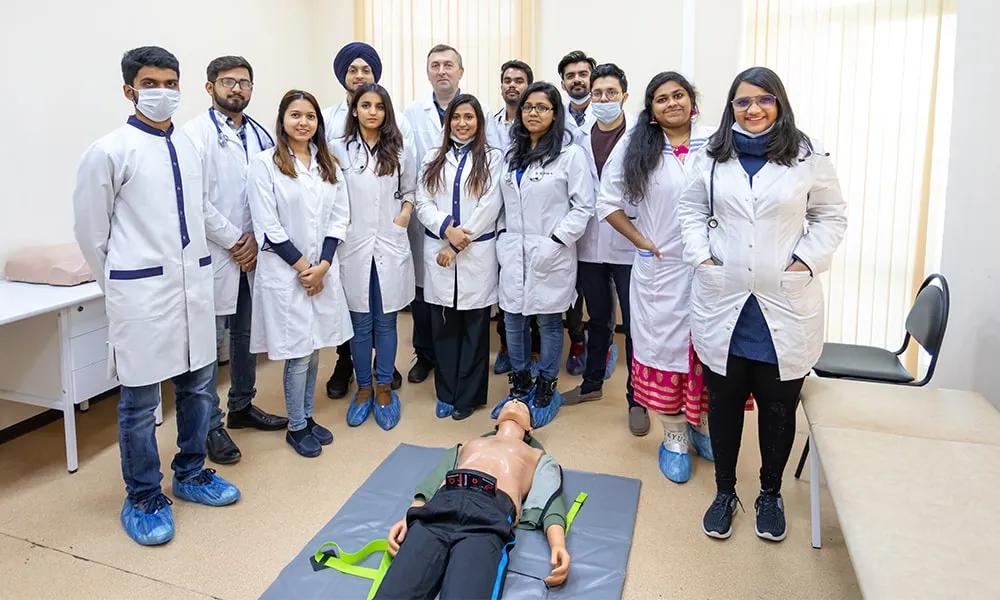
Russia is home to some of the world's oldest and most prestigious medical universities. Russian universities attract students from over 100 countries and offer internationally recognized MBBS-equivalent medical degrees.
Most universities provide English-medium medical education and comply with international standards recognized by organizations such as WHO and other global medical authorities.
Russia has become one of the top destinations for Indian students due to affordability, quality education, and simpler admission procedures.
Admission Process Comparison
MBBS in India
- NEET qualification is mandatory.
- Admission through All India Quota or State Counseling.
- Government seats are highly competitive.
- Private medical college admissions depend on NEET scores and counseling.
- Limited number of MBBS seats compared to applicants.
MBBS in Russia
- NEET qualification is mandatory as per NMC regulations.
- No entrance examination by most universities.
- Direct admission process.
- No donation or capitation fees.
- Admission based on academic eligibility.
Eligibility Criteria Comparison
India
- Minimum 50% marks in Physics, Chemistry, and Biology (General Category).
- 40% marks for reserved categories as per regulations.
- Qualified NEET-UG score.
- Minimum age 17 years.
Russia
- Minimum 50% marks in Physics, Chemistry, and Biology.
- NEET qualification required for Indian students.
- Minimum age 17 years.
- No additional entrance examinations.
Fee Structure Comparison 2026
Government Medical Colleges in India
- Annual Tuition Fee: ?20,000 – ?2,00,000
- Total MBBS Cost: ?1 lakh – ?10 lakh
Private Medical Colleges in India
- Annual Tuition Fee: ?10 lakh – ?30 lakh
- Total MBBS Cost: ?60 lakh – ?1.5 crore+
Medical Universities in Russia
- Annual Tuition Fee: ?3 lakh – ?8 lakh
- Hostel Fee: ?40,000 – ?1 lakh per year
- Total Course Cost: ?20 lakh – ?45 lakh approximately
Verdict on Cost
For students unable to secure a government seat in India, Russia offers a significantly more affordable alternative compared to most private medical colleges.
Duration of MBBS Program
India
- 4.5 Years Academic Study
- 1 Year Internship
- Total Duration: 5.5 Years
Russia
- 6 Years MBBS Program
- Includes theoretical and clinical training.
- No separate internship in many universities.
Quality of Education Comparison
India
- Strong patient exposure due to large population.
- Excellent government institutions.
- Advanced clinical learning opportunities.
- Competitive academic environment.
Russia
- Modern laboratories and simulation centers.
- International teaching standards.
- Research-oriented curriculum.
- Globally experienced faculty members.
- Advanced medical technology and infrastructure.
Infrastructure Comparison
Indian Medical Colleges
- Infrastructure varies significantly.
- Government colleges often have excellent clinical exposure.
- Private colleges may provide modern facilities depending on institution.
Russian Medical Universities
- Smart classrooms.
- Digital libraries.
- Simulation laboratories.
- Modern research facilities.
- International student support systems.
Medium of Instruction
India
- English medium.
- Some local language integration in clinical settings.
Russia
- English-medium MBBS available.
- Russian language taught for hospital interactions.
- Helps students communicate with local patients during clinical practice.
Clinical Exposure Comparison
India
- Extremely high patient inflow.
- Wide variety of medical cases.
- Excellent hands-on learning opportunities.
Russia
- Structured clinical training.
- Modern hospital facilities.
- Smaller patient-to-student ratios.
- Strong practical learning through simulation labs.
Safety and Student Life
India
- Students remain closer to family.
- Familiar cultural environment.
- No language adjustment issues.
Russia
- Safe university campuses.
- Dedicated international student hostels.
- Multicultural learning environment.
- Opportunity for global exposure.
Recognition and Accreditation
India
- NMC Approved Medical Colleges.
- Recognized throughout India.
Russia
- Many universities are WHO listed.
- NMC-compliant universities available.
- Recognition in several countries worldwide.
- Eligible for licensing examinations after meeting local requirements.
Career Opportunities After MBBS
After MBBS in India
- Practice in India after registration.
- Pursue MD/MS.
- Appear for government medical services examinations.
- Opportunities in hospitals and healthcare organizations.
After MBBS in Russia
- Return to India and follow NMC requirements.
- Pursue postgraduate studies abroad.
- Work opportunities in multiple countries after licensing examinations.
- Research and international healthcare careers.
Advantages of MBBS in India
- Strong clinical exposure.
- Familiar culture and environment.
- No language barriers.
- Highly respected government institutions.
- Direct pathway to medical practice in India.
Advantages of MBBS in Russia
- Affordable tuition fees.
- No donation or capitation fees.
- International exposure.
- Modern infrastructure.
- Globally recognized universities.
- Simple admission process.
- English-medium programs available.
- Multicultural student community.
Challenges of MBBS in India
- Limited government seats.
- Extremely high competition.
- Very expensive private colleges.
- High cut-offs in counseling.
Challenges of MBBS in Russia
- Cold climate adaptation.
- Learning basic Russian language.
- Living away from family.
- Need to understand licensing requirements for future practice destinations.
MBBS in Russia vs MBBS in India: Quick Comparison Table
Parameter India Russia Admission Difficulty High Moderate NEET Requirement Mandatory Mandatory for Indian Students Course Duration 5.5 Years 6 Years Total Cost ?1 Lakh–?1.5 Crore+ ?20–45 Lakh Donation Possible in Some Private Colleges No Global Exposure Limited High Infrastructure Varies Modern International Recognition Good Excellent
MBBS in Russia vs MBBS in India: Quick Comparison Table
| Parameter |
India |
Russia |
| Admission Difficulty |
High |
Moderate |
| NEET Requirement |
Mandatory |
Mandatory for Indian Students |
| Course Duration |
5.5 Years |
6 Years |
| Total Cost |
?1 Lakh–?1.5 Crore+ |
?20–45 Lakh |
| Donation |
Possible in Some Private Colleges |
No |
| Global Exposure |
Limited |
High |
| Infrastructure |
Varies |
Modern |
| International Recognition |
Good |
Excellent |
