 MBBS Abroad
MBBS in Georgia – Complete Guide for Indian Students 2026-27
Published on 02 Jul 2026
Complete guide covering MBBS in Georgia, fees, universities, admission, eligibility, hostel, career opportunities, and recognition.
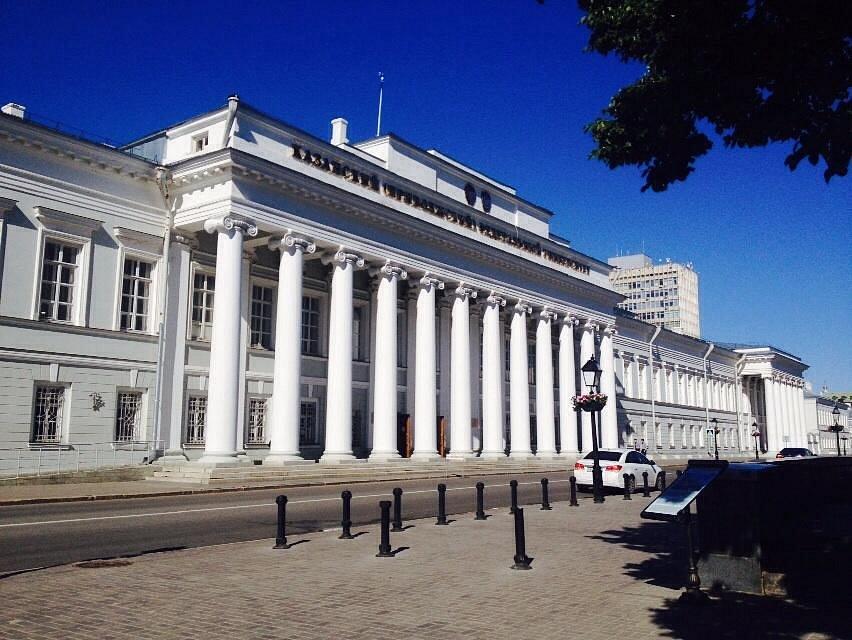
Suggested webpage photo
Use a high-quality hero image showing:
A modern medical university campus in Tbilisi, Georgia
International medical students wearing white coats
A teaching hospital or clinical training environment
Medical books, stethoscopes, and anatomy models in the foreground
Bright, professional, and education-focused composition suitable for a website banner (16:9 aspect ratio)
MBBS in Georgia – Complete Guide for Indian Students
Georgia has emerged as one of the most preferred destinations for Indian students seeking quality medical education abroad. Over the last decade, thousands of Indian students have chosen Georgia because of its globally recognized universities, affordable tuition fees, modern infrastructure, English-medium education, and safe environment.
Medical universities in Georgia are recognized by major international organizations, allowing graduates to pursue careers in India and many other countries after fulfilling licensing requirements. The country offers an excellent balance between quality education and affordability, making it an attractive option for students who wish to study MBBS without paying huge donations or capitation fees.
The curriculum in Georgia follows international medical education standards and combines theoretical learning with extensive clinical practice. Students receive exposure to advanced laboratories, simulation centers, hospitals, and research opportunities throughout the course.
For Indian students who have qualified NEET and wish to pursue MBBS abroad, Georgia provides one of the best options because of its transparent admission process, supportive environment, and globally accepted medical degree.
Why Study MBBS in Georgia?
Choosing Georgia for medical education offers numerous academic and professional advantages.
- Globally recognized medical universities.
- Affordable tuition fees compared to private medical colleges in India.
- No donation or capitation fee.
- English-medium MBBS programs.
- Modern laboratories and teaching hospitals.
- Experienced international faculty.
- High-quality practical and clinical training.
- Safe and welcoming environment for international students.
- Simple admission procedure.
- Worldwide career opportunities after graduation.
- Excellent FMGE/NExT preparation support in many universities.
- International student community.
- Modern hostel facilities.
- European lifestyle with affordable living expenses.
- Good student-teacher ratio.
Why Indian Students Prefer Georgia
Indian students increasingly choose Georgia because it provides quality medical education at a reasonable cost. Unlike many private colleges in India, students do not have to pay donation fees.
Other reasons include:
- Affordable education.
- Recognition by international organizations.
- English-medium teaching.
- Easy visa process.
- Indian food availability.
- Indian student associations.
- Safe cities.
- Comfortable climate.
- Excellent infrastructure.
- International exposure.
Quick Facts About MBBS in Georgia
| Particular |
Details |
| Course Name |
MBBS / MD (Equivalent to MBBS) |
| Course Duration |
6 Years |
| Medium of Instruction |
English |
| Eligibility |
50% PCB (40% for Reserved Categories) + NEET Qualified |
| Entrance Exam |
No Separate Entrance Exam |
| NEET |
Mandatory for Indian Students |
| Annual Tuition Fee |
Approximately ?4 Lakhs – ?8 Lakhs |
| Living Cost |
?15,000 – ?30,000 per month |
| Recognition |
NMC, WHO, ECFMG, FAIMER and other international bodies |
| Academic Session |
September / October |
Top Medical Universities in Georgia
Several Georgian universities are popular among Indian students due to their quality education and international recognition.
- Tbilisi State Medical University
- Georgian National University (SEU)
- European University Georgia
- East European University
- Alte University
- David Tvildiani Medical University
- Caucasus International University
- Geomedi Medical University
- Ilia State University
- New Vision University
Recognition of Georgian Medical Universities
Medical universities in Georgia are recognized by several international organizations.
- National Medical Commission (NMC)
- World Health Organization (WHO)
- Educational Commission for Foreign Medical Graduates (ECFMG)
- Foundation for Advancement of International Medical Education and Research (FAIMER)
- Ministry of Education of Georgia
Recognition allows graduates to appear for licensing examinations in different countries according to local regulations.
MBBS Course Duration
Medium of Instruction
One of the biggest advantages of studying MBBS in Georgia is the availability of English-medium programs.
Students do not need to learn Georgian before admission. However, universities usually provide basic Georgian language classes to help students communicate with local patients during clinical training.
Eligibility Criteria
Students must satisfy the following eligibility requirements.
- Minimum age of 17 years.
- Completion of 10+2.
- Physics, Chemistry and Biology as compulsory subjects.
- Minimum 50% marks in PCB for General category.
- Minimum 40% marks for Reserved category (as per applicable rules).
- Valid NEET qualification for Indian students.
Documents Required
Students generally need the following documents during admission.
- 10th Marksheet.
- 12th Marksheet.
- Valid Passport.
- Passport-size Photographs.
- NEET Scorecard.
- Birth Certificate.
- Medical Fitness Certificate.
- Police Clearance Certificate (if required).
- University Admission Letter.
- Visa Documents.
Admission Process
The admission process is simple and transparent.
- Choose a recognized university.
- Submit application form.
- Upload required documents.
- Receive admission letter.
- Pay initial tuition fee.
- Apply for student visa.
- Book flight tickets.
- Travel to Georgia.
- Complete university registration.
- Begin MBBS classes.
Student Visa Process
Georgia offers a comparatively straightforward student visa process.
Students generally require:
- Valid Passport.
- Admission Letter.
- Visa Application.
- Financial Proof.
- Medical Insurance.
- Passport Photographs.
Tuition Fees
Cost of Living
Georgia is considered affordable compared to many European countries.
Monthly expenses generally include:
- Accommodation.
- Food.
- Transportation.
- Internet.
- Personal expenses.
Most students can comfortably manage within a reasonable monthly budget depending on their lifestyle.
Hostel Facilities
Most universities provide well-maintained hostels with modern amenities.
Facilities include:
- Fully furnished rooms.
- Wi-Fi.
- Central heating.
- Laundry.
- Security.
- CCTV surveillance.
- Study rooms.
- Common kitchen.
- Recreation areas.
Indian Food Availability
Indian students can easily find Indian restaurants and grocery stores in major cities such as Tbilisi.
Many hostels also provide cooking facilities, allowing students to prepare Indian meals.
Clinical Exposure
Clinical education forms a significant part of the MBBS curriculum.
Students receive practical training in affiliated hospitals where they learn:
- Patient examination.
- Diagnosis.
- Clinical procedures.
- Emergency medicine.
- Surgery observation.
- Medical ethics.
Safety for International Students
Georgia is regarded as one of the safer countries for international students.
Universities maintain:
- 24×7 campus security.
- Student support services.
- International offices.
- Emergency assistance.
Advantages of MBBS in Georgia
- Affordable education.
- No donation.
- Globally accepted degree.
- Modern teaching methods.
- Advanced laboratories.
- English-medium education.
- International faculty.
- Practical-based learning.
- Research opportunities.
- Good career prospects.
- Simple admission.
- Safe environment.
- Excellent student support.
Challenges Students Should Know
Although Georgia offers many advantages, students should also understand certain challenges.
- Need to adapt to a new culture.
- Cold winters in some regions.
- Learning basic Georgian language for patient interaction.
- Need for self-study to prepare for licensing exams.
- Living away from family.
Career Opportunities After MBBS
Graduates from Georgian medical universities have several career pathways.
- Practice in India after fulfilling NMC regulations and qualifying the applicable licensing examination.
- Pursue postgraduate medical education.
- Work in hospitals.
- Medical research.
- Healthcare administration.
- Public health organizations.
- Teaching and academics.
- International healthcare careers subject to local licensing requirements.
MBBS in Georgia vs Private MBBS in India
| Feature |
Georgia |
Private India |
| Donation |
No |
Often Required |
| Annual Tuition |
Lower in many cases |
Generally Higher |
| Medium |
English |
English |
| International Exposure |
High |
Limited |
| Infrastructure |
Modern |
Varies |
| Global Recognition |
Excellent |
Depends on Institution |
| Admission |
Simple |
Competitive |
Is MBBS in Georgia Valid in India?
Yes. Degrees from recognized Georgian universities can be valid for Indian students, provided the university complies with applicable NMC regulations and the student fulfills all eligibility requirements. Graduates must also meet the prevailing licensing requirements in India before practicing.
Students should always verify that the university they choose meets the latest regulatory guidelines before taking admission.
Tips Before Choosing a University
- Verify university recognition.
- Check accreditation status.
- Compare tuition fees.
- Review hospital affiliations.
- Check hostel facilities.
- Research FMGE/NExT outcomes where available.
- Speak with current students.
- Understand total expenses.
- Choose an experienced admission consultant.
Why Choose Bablons Educational Consultants?
Choosing the right consultancy is equally important as choosing the right university.
Bablons Educational Consultants helps students throughout the complete admission journey, including university selection, documentation, admission, visa assistance, travel guidance, pre-departure counseling, and post-arrival support. With personalized counseling and transparent guidance, students can confidently begin their medical education abroad.
Frequently Asked Questions
Is NEET compulsory for MBBS in Georgia?
Yes. Indian students must qualify NEET to comply with current Indian regulations for studying MBBS abroad.
Is IELTS required?
Most universities do not require IELTS for admission to English-medium MBBS programs.
How long is MBBS in Georgia?
The course generally lasts six years, including clinical training.
Can students work part-time?
International students may have limited part-time opportunities, subject to university policies and local regulations.
Is Georgia safe?
Yes. Georgia is widely considered safe and student-friendly.
Are hostels available?
Yes. Most universities provide hostel accommodation.
Is Indian food available?
Yes. Indian restaurants and grocery stores are available in major cities.
Can I practice in India after MBBS in Georgia?
Yes, after meeting the latest NMC regulations and successfully completing the required licensing examination applicable at that time.
What is the average annual tuition fee?
Generally between ?4 lakh and ?8 lakh, depending on the university.
When does admission begin?
Most universities begin admissions for the September or October intake.
